

The New BPER Banca Data Center
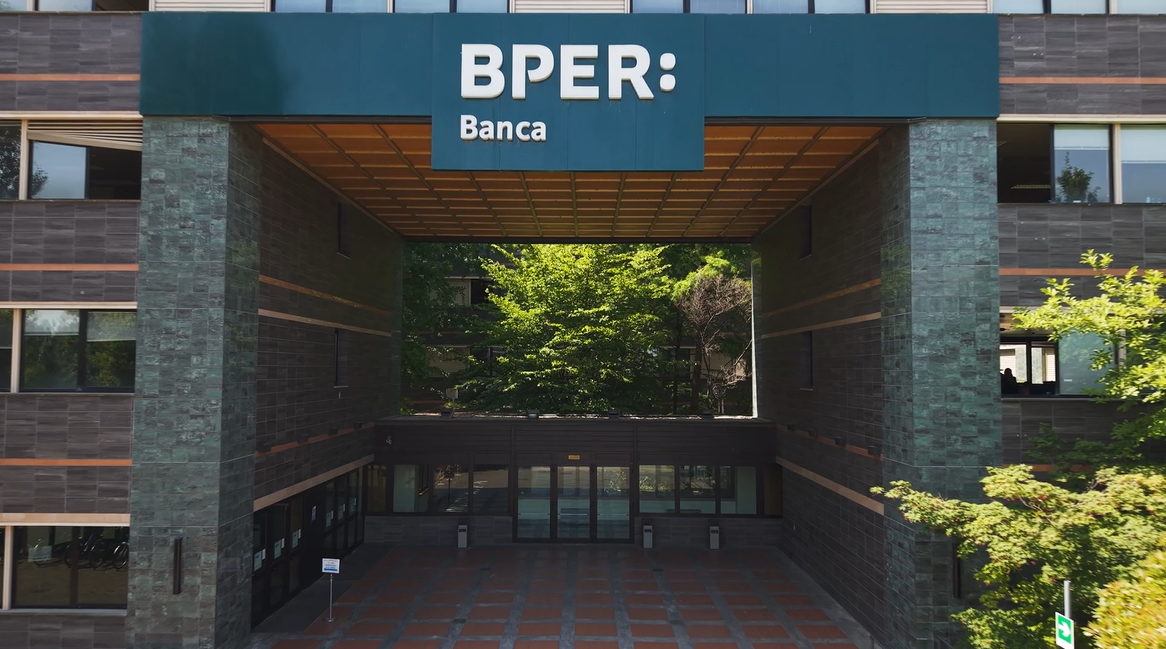
BPER Banca and VEM Sistemi: a strategic project driving the evolution of data centers towards security, resilience, and efficiency.
A multi-year infrastructure evolution project strengthens BPER Banca’s IT resilience, energy efficiency, and IT security — supporting the group’s growth and its digital strategy.
As part of a structured and sustainable growth plan, BPER Banca has undertaken, in collaboration with VEM Sistemi, a comprehensive project to modernise and upgrade its data centers — the beating heart of the Bank’s technological ecosystem. This initiative is part of the institution’s long-term industrial strategy, which identifies technology as a key enabler of competitiveness, operational continuity, and innovation.
Growth and Transformation: The Origins of the Project
“In recent years, BPER Banca has strengthened its presence in the market through major expansion operations— such as the acquisition of branches from UBI Banca and the incorporation of Banca Carige — which have led the institution to achieve systemic bank status in 2024. This evolution required compliance with stringent regulatory requirements and a thorough rethinking of the IT infrastructure, starting withthe data centers located on the Modena IT campus,” explains Daniele Murolo, Real Estate Manager at BPER Banca.
A Structured and Forward-Looking Plan
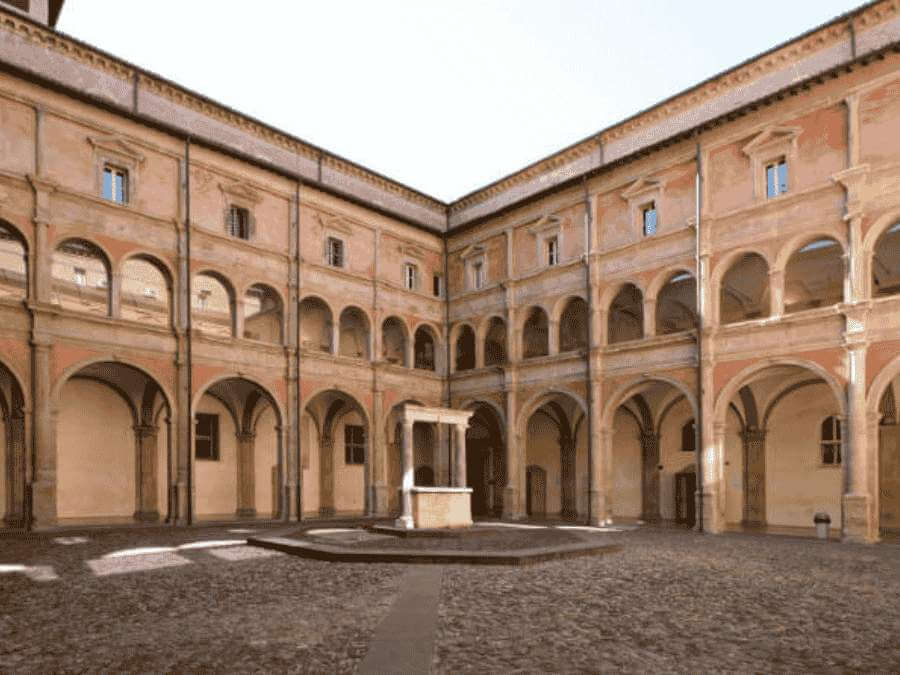
The project began in 2017, when VEM Sistemi was commissioned to conduct a in-depth assessment of the architecture of the two existing data centers, located in separate buildings within the bank’s Modena campus and interconnected by 350 meters of fiber optic cabling.
The analysis highlighted several critical issues in terms of security and resilience, which did not meet the standards required for a financial institution of BPER’s significance. This led to the launch of the “Data Center Strategy” plan — a complex structural intervention carried out without ever interrupting system operations.
Specifically, the plan involved the complete renovation of critical infrastructures — including air conditioning, electrical distribution, uninterruptible power supplies (UPS), security systems — while retaining only the existing racks and raised floor structure. Redundant systems were implemented in a 2N architecture, ensuring full continuity and fault tolerance for every component. “The main objectives of this first phase were threefold: to improve redundancy at all levels, increase energy efficiency, and adapt capacity to growth projections, which anticipated an increase in load up to 175 kW per site within five years,” explains Daniele Murolo, Real Estate Manager at BPER Banca who adds: “The project also included the modernization of physical and environmental security systems — including video surveillance, intrusion detection, access control, and fire prevention — thus ensuring comprehensive protection of the infrastructure.”
Tangible Results: Energy Efficiency and Sustainability
The result of the entire infrastructure program is an improvement in the PUE (Power Usage Effectiveness) index — which has fallen from 2.32 to around 1.39–1.40 on an annual average. This figure represents an excellent achievement, considering that the industry average typically ranges between 1.6 and 2.0.
Previously, only about 43% of total energy consumed was actually used to power IT equipment, while the remainder was absorbed by auxiliary systems such as cooling and lighting. Today, thanks to infrastructure optimization, this figure has risen to around 72%, an efficiency gain that translates into reduced consumption, lower emissions and significantly more sustainable energy management.
BPER Park: The Second Phase of Enhancement
In 2022, the project entered a new stage with the “BPER’s Park” initiative, aimed at redeveloping the Modena headquarters, including the buildings housing the two data centers.
In response to the group’s organic growth and new business needs, it became necessary to further strengthen the infrastructure, increasing IT capacity from 175 kW to 285 kW per site, and expanding the spaces dedicated to new technological equipment.
In addition, a process has been undertaken to adopt the TIA-942 standard where possible, inspired by level 4, to ensure the highest standards of reliability and security for operational infrastructure.
The Technological Core of the Project
The review also involved the electrical infrastructure, with the installation of new and highly efficient Galaxy VL500 modular UPS systems. To ensure maximum resilience, a continuous cooling approach was adopted — a design choice aimed at guaranteeing uninterrupted air conditioning even in the event of a power outage. All solutions were provided by Schneider Electric.
One of the most significant design choices concerned the backup power architecture. In line with the overall System plus System infrastructure logic, the generator sets were also configured accordingly. Each data center is now supported by four generators arranged in a 2x(N+1) architecture, capable of ensuring full operational continuity even in the event of multiple faults.
As part of the fiber optic connectivity system upgrade, particular attention was paid to material quality, implementation speed, and infrastructure scalability. The Signature Core™ solution was adopted — designed for high-performance, high-density, and mission-critical data center environments — integrated into an open-frame Panduit environment specifically intended for network rooms. The Signature Core system enabled rapid and secure installation, minimizing the risk of errors and ensuring organized, flexible management of the interconnection infrastructure. Moreover, the combination of build quality, modularity, and high density makes the system ready to support future technological evolutions.
To ensure maximum operational efficiency and service continuity, the entire data center infrastructure is monitored through EcoStruxure™, an advanced Building Management System (BMS) by Schneider Electric. This centralized system not only manages daily operations and facility control but also plays a strategic role in optimizing energy consumption — helping maintain high efficiency levels over time and supporting the bank’s ESG objectives.
The project required a delicate balance between the need to upgrade infrastructure and the imperative to maintain data center operations without affecting the bank’s critical services. Every intervention was carefully assessed and planned to ensure that resilience and reliability remained uncompromised throughout the process.
Integration of Technology, Certifications and Governance
In 2023, BPER’s commitment to infrastructure excellence earned further recognition with the achievement of ISO 14001 and ISO 50001 certifications, confirming full compliance with environmental and energy efficiency standards. The project also contributed to reducing emissions and improving overall operational efficiency, becoming a virtuous example of integration between technology and sustainability. This significant progress highlights optimized energy consumption and a measurable positive impact on environmental performance, as also reported in the Bank’s Sustainability Report.
To these achievements were added ISO 27001 certification — demonstrating BPER Group’s strong commitment to information security and its ability to protect data by ensuring confidentiality, integrity, and availability through a rigorous risk management process — and ISO 22301 certification, which confirms the Group’s ability to mitigate risks arising from unplanned disruptions, ensuring system resilience and timely crisis response.
Hybrid Cloud and Advanced Cybersecurity
In its technological evolution journey, BPER has adopted a balanced approach to cloud adoption, using it selectively for applications that benefit most from scalability and innovation. For critical systems, such as customer data, the bank has chosen to maintain an on-premise model, now enhanced with a high-availability redundant infrastructure featuring real-time replication between the two data centers and a disaster recovery site hosted by Aruba.
Lastly, strong emphasis has been placed on security: the cybersecurity budget has been significantly increased, enabling the deployment of advanced protection solutions safeguarding the new IT environments. This focus directly translates into an enhanced user experience for clients and stakeholders, ensuring maximum reliability and service continuity.
The Vision: Reliability and Innovation
“Today, IT infrastructure represents a strategic asset for the resilience, efficiency, and innovation capacity of a bank like BPER,” states Giuseppe Alibrandi, Chief Technology Officer at BPER Banca, who continues:“The data center evolution project was conceived not only to meet regulatory requirements or support organizational growth, but as a cornerstone of a long-term technological journey. Thanks to our collaboration with VEM Sistemi, we have successfully combined reliability and innovation, laying the foundations to face future challenges. The current industrial plan continues along this path, with further investments in innovative technologies — a clear sign of a vision that recognizes digital transformation as a strategic asset for the institution’s growth and competitiveness.”
In the coming years, BPER Banca will continue to invest in innovation, with particular focus on data security and Artificial Intelligence, fully aware that digital transformation is a key lever for strengthening competitiveness, resilience, and long-term value for all stakeholders.

ARAG SE ITALIA
featured-business-cases-en
ARAG SE ITALIA
featured-business-cases-en
ARAG SE ITALIA

The New BPER Banca Data Center
featured-business-cases-en
The New BPER Banca Data Center
featured-business-cases-en
The New BPER Banca Data Center
MUG MAGAZZINI GENERATIVI
featured-business-cases-en
MUG MAGAZZINI GENERATIVI
featured-business-cases-en
MUG MAGAZZINI GENERATIVI
The new workplace of BPER Banca
featured-business-cases-en
The new workplace of BPER Banca
featured-business-cases-en
The new workplace of BPER Banca

DECO INDUSTRIE
featured-business-cases-en
DECO INDUSTRIE
featured-business-cases-en
DECO INDUSTRIE


Ferriere Nord – Gruppo Pittini
featured-business-cases-en
Ferriere Nord – Gruppo Pittini
featured-business-cases-en
Ferriere Nord – Gruppo Pittini
Poderi dal Nespoli
featured-business-cases-en
Poderi dal Nespoli
featured-business-cases-en
Poderi dal Nespoli

Massimo Zanetti Beverage
featured-business-cases-en
Massimo Zanetti Beverage
featured-business-cases-en
Massimo Zanetti Beverage






Hypo Alpe Adria Bank
featured-business-cases-en
Hypo Alpe Adria Bank
featured-business-cases-en
Hypo Alpe Adria Bank




Quality Control

Vem Sistemi's information safety management system is UNI CEI EN ISO/IEC 27001:2017
VEM Sistemi's quality management system is UNI EN ISO 9001:2015